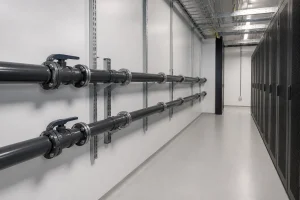
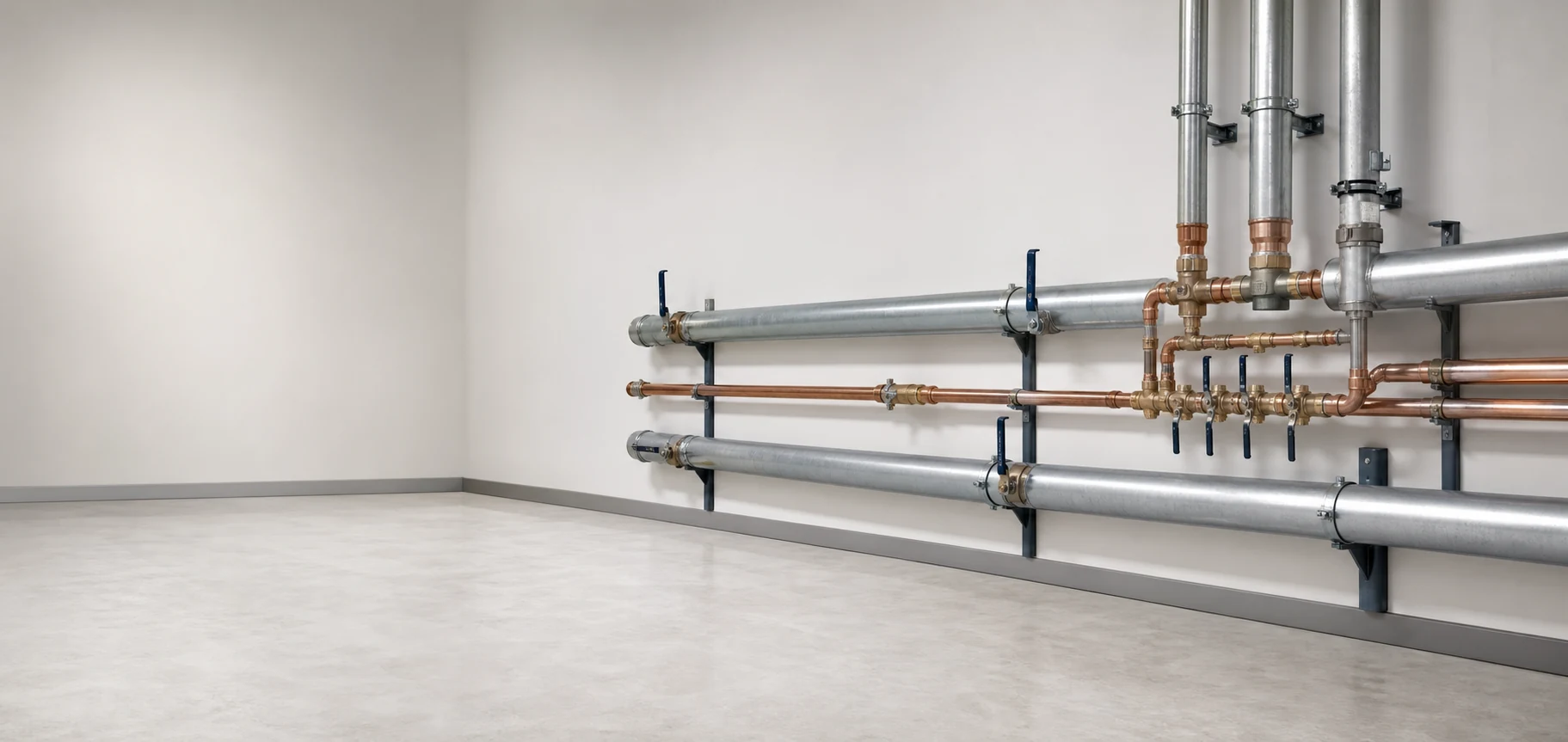
Data room cooling pipework has to do more than carry water or coolant from one part of a system to another. It has to support fast decisions when equipment needs isolating, circuits need checking or future changes have to be made with minimal disruption.
That is where valve access and manifold layout matter. A neat pipework installation with visible, reachable and logically grouped valves gives facilities teams much more control over cooling circuits, without turning routine work into guesswork.
Valve access is part of the system design
Valves are often treated as small components, but in a data room cooling system they have a large practical impact. They decide how easily a section of pipework can be isolated, how safely a circuit can be checked and how clearly an engineer can understand the route of flow through the system.
Good access starts at design and installation stage. A valve that is technically present but awkward to reach, hidden behind other services or installed without enough working space can slow down inspection and make simple tasks harder than they need to be. In contrast, valves positioned with clear access around them allow facilities teams and specialist contractors to work with confidence.
For data room cooling pipework, this is especially important because cooling is tied directly to operational continuity. The pipework should be laid out so that the people responsible for the space can see what each section serves, reach the correct isolation point and understand the system without unnecessary disruption.
Clear manifolds make isolation easier to manage
Manifolds bring multiple cooling circuits into a controlled arrangement. When they are well planned, they make the system easier to read. Flow and return routes can be grouped sensibly, valves can be aligned in a consistent pattern and individual branches can be identified more easily.
This matters because isolation is rarely about the whole system. Facilities teams may need to isolate a single branch, cooling unit, coil or section of pipework while keeping other parts available. A clear manifold layout supports that decision making. It reduces the risk of uncertainty and makes it easier to confirm which valve affects which circuit.
The best layouts are not necessarily complicated. They are logical. They allow enough spacing for hands, tools and inspection. They avoid tight clusters where valves cannot be operated properly. They also make allowance for gauges, drain points, vents and future additions where relevant.
A well arranged manifold is also easier to explain to new engineers, contractors or facilities staff. In a technical space where more than one team may be involved over the life of the system, that clarity has real value.
Accessible valves support servicing without turning the job into a hunt
Servicing cooling pipework is not just about the condition of the pipes. It also depends on whether the right parts of the system can be isolated, inspected, drained or vented in a controlled way. Accessible valves help make that possible.
If valves are visible and reachable, engineers can spend less time tracing routes and more time doing the work that actually protects the system. They can confirm positions, check for signs of wear, inspect joints, test operation and make sure isolation points are performing as expected.
This does not mean every facilities team needs to become a pipework maintenance specialist. It means the installation should give competent people the access they need when planned work or investigation is required. For wider cooling system care, DSJ Pipework also covers practical guidance in its article on maintaining data room cooling systems.
In day to day terms, accessible valves help avoid unnecessary disruption. When the pipework layout is clear, teams can make better informed decisions about what needs attention, what can remain in service and when a specialist contractor should be brought in.
Good access helps inspection and fault finding
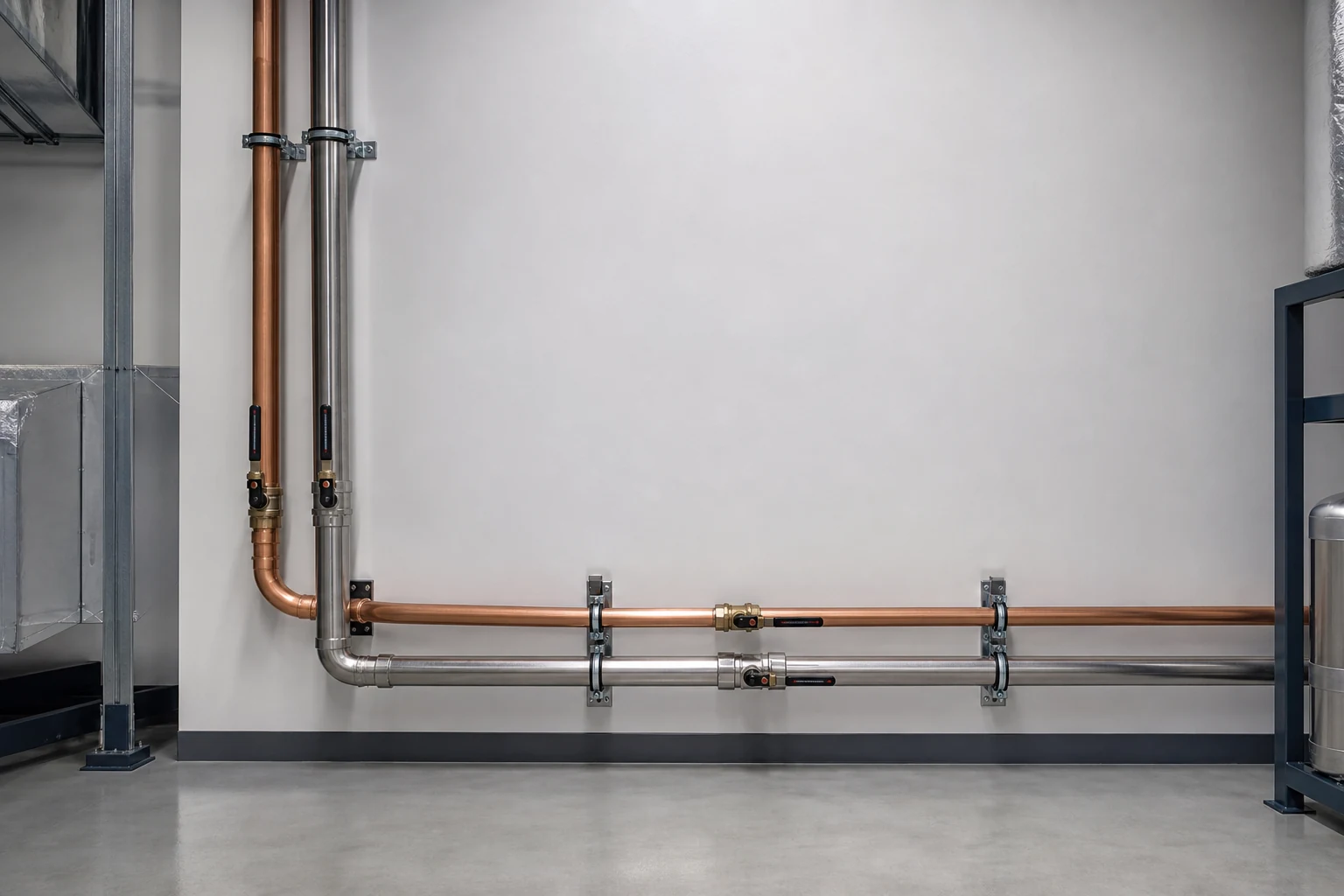
Cooling pipework can be affected by many practical issues over time, including changes in flow, air in parts of the system, worn valve components, joint concerns, strain on supports or alterations made during later works. Clear access does not solve every issue on its own, but it makes inspection far more straightforward.
An engineer needs to be able to see and reach key points. Valves, strainers, gauges, drain points, vents and branches should be arranged so that inspection is realistic, not theoretical. If access is blocked or cramped, checks can be delayed or limited, which is never ideal in a space where cooling performance matters.
Clear valve access also supports better communication. If a facilities manager can point to a specific branch or manifold position, it becomes easier to brief a contractor accurately. Photos, marked drawings and site notes are more useful when the physical installation is easy to match against them.
For systems connected to broader production, process or equipment cooling requirements, similar principles apply. Logical isolation and accessible pipework are also relevant to process cooling systems, where clarity around valves and circuits can support smoother inspection and future works.
The installation method still needs to suit the environment
Valve access and manifold layout are only part of the picture. The pipework material, jointing method and installation approach all need to suit the cooling system, space constraints and operating requirements.
Press fit pipework can be useful where clean, consistent installation is needed, especially where the method suits the specification and working conditions. Welded sections may be required where strength, temperature, pressure or material choice calls for it. Solvent welding may be relevant for suitable plastic pipework systems. The right choice depends on the design, the medium being carried and the standards required for the installation.
The important point is that access should not be sacrificed just to make the first installation look compact. Pipework that is too tightly packed can create future difficulties. A professional layout allows for joints, valves and supports to be installed properly while still leaving enough room for operation and inspection.
Where press fit is suitable, it can sit neatly within a well planned cooling layout. For more background on where that method can help, see DSJ Pipework’s guide to press fit pipework benefits and applications.
What a facilities team should look for in a valve layout
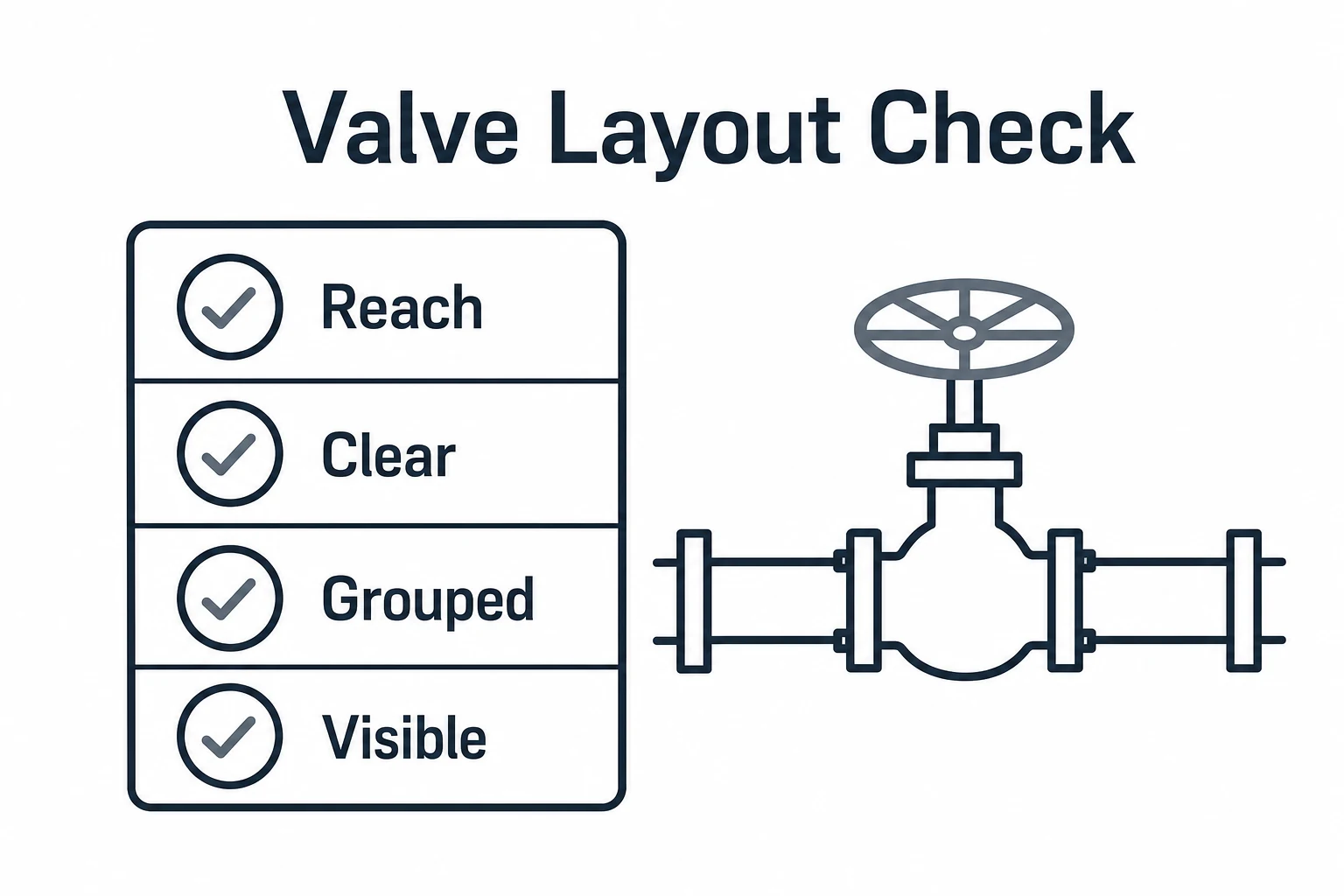
A good valve layout should feel understandable when viewed in the plant or data room space. It should not rely on guesswork, and it should not require someone to trace pipework through a maze before basic isolation points become clear.
Useful signs of a well considered layout include:
- Valves that can be reached and operated without moving unrelated equipment.
- Manifolds arranged so flow and return routes are easy to follow.
- Enough spacing around valves for tools, hands and inspection.
- Isolation points positioned close enough to the circuits they control to make their purpose clear.
- Pipe supports that keep runs stable without blocking access to key components.
- Logical provision for drain points, vents, gauges and future servicing requirements.
Labelling can also help, but labels should support a clear installation, not compensate for a confusing one. The strongest systems combine good physical layout with accurate records, making it easier for facilities teams and contractors to work from the same understanding.
When planning new work or reviewing an existing installation, it is worth asking a simple question: if one circuit needed attention, could the correct valve be found and operated quickly by a competent person? If the answer is unclear, the layout may deserve closer review.
- Accessible valves help facilities teams isolate and inspect cooling pipework with more confidence.
- Clear manifold layouts make individual circuits easier to understand, trace and manage.
- Good access should be planned during installation, not treated as an afterthought.
- The right jointing method matters, but it should still allow practical operation and inspection.
- A clear physical layout, supported by accurate records, makes future servicing much simpler.
Frequently asked questions
Why is valve access so important in data room cooling pipework?
Valve access matters because it allows specific circuits or sections to be isolated, checked and serviced without unnecessary uncertainty. In data room environments, clear access supports better control over cooling pipework and helps facilities teams respond more confidently when planned work or investigation is needed.
What makes a cooling manifold layout easy to manage?
A manageable manifold layout is logical, visible and well spaced. Flow and return routes should be easy to follow, valves should be grouped consistently and there should be enough room to operate each valve safely. The layout should make it clear which branch or circuit each valve controls.
Can poor valve positioning affect future servicing?
Yes. If valves are hidden, cramped or difficult to operate, routine checks and isolation tasks become harder. Poor access can also make fault finding slower because engineers may need extra time to trace routes or confirm which part of the system is being controlled.
Should valve access be reviewed before installing new cooling pipework?
Yes. Access should be considered during design and installation so the finished system works well in practice. Reviewing valve positions, manifold spacing, drain points, vents and future service routes early can help create a cleaner and more usable pipework layout.
Talk to DSJ Pipework
Planning data room cooling pipework or reviewing an existing layout? DSJ Pipework can help with practical pipework design, installation and system improvements built around clear access and dependable operation.