Fire suppression systems tend to bring sprinklers, alarms, or control panels to mind first. Pipework, however, is the part that quietly makes everything work.
Without a properly designed and installed network of pipes, even the most advanced system may struggle to deliver water or suppression agents where they are needed most.
It is easy to assume pipework is a passive element, but that view may underestimate its role. The way pipes are routed, supported, and connected has a direct impact on reliability during an emergency.
This article looks at how pipework supports fire suppression systems and why getting it right is not something to leave to chance.
How Fire Suppression Systems Work
Most fire suppression systems operate on a fairly simple principle. A fire is detected, a system activates, and a suppression agent is released to control or extinguish the fire.
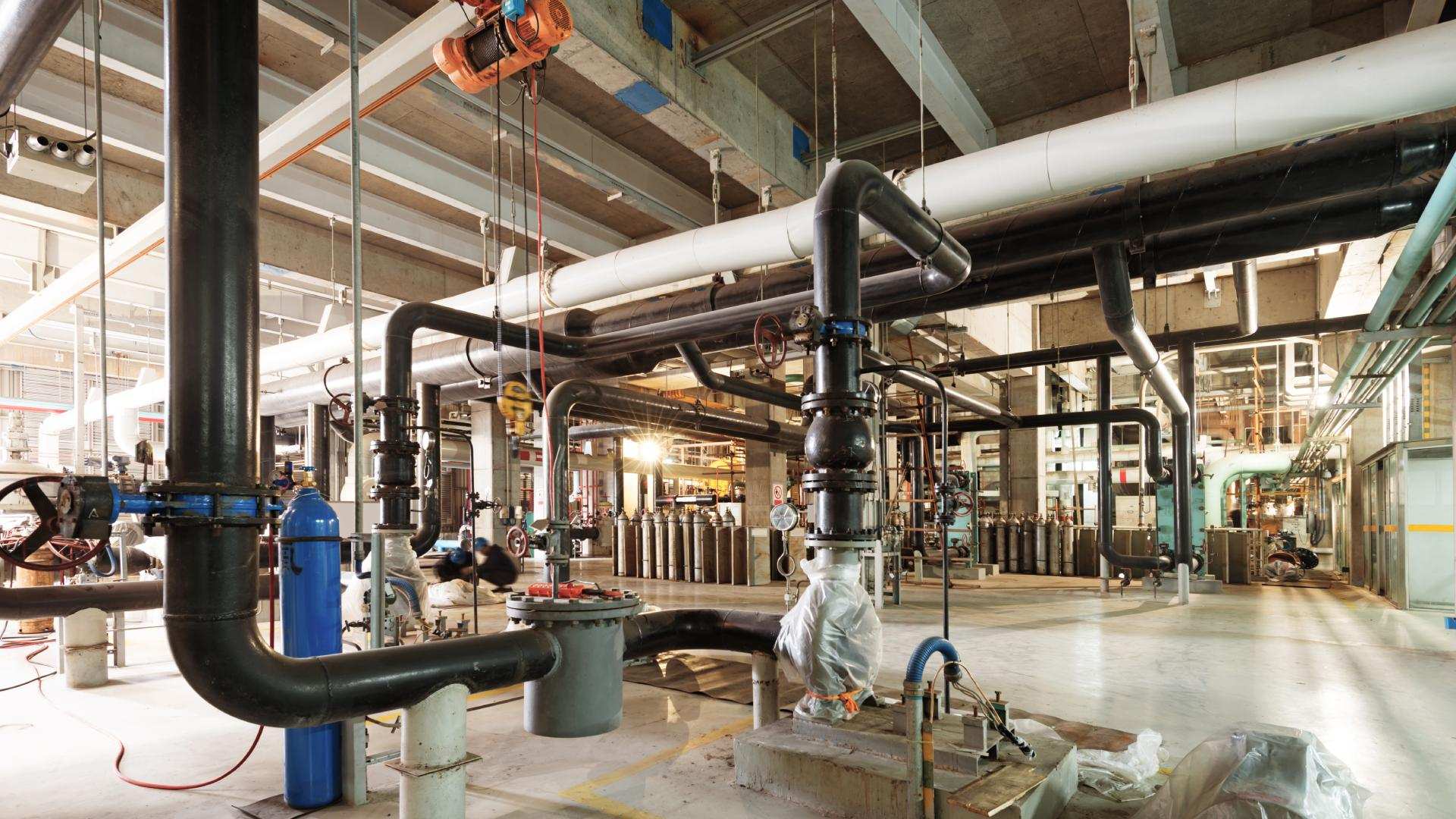
Pipework acts as the distribution network, carrying water, foam, gas, or mist from the source to the point of discharge.
Different systems place different demands on pipework. Sprinkler systems rely on consistent pressure and flow, while gas suppression systems require sealed pipework to prevent leaks.
In each case, the performance of the system appears to depend as much on the pipework as it does on the detection or control equipment.
Types of Pipework Used in Fire Suppression
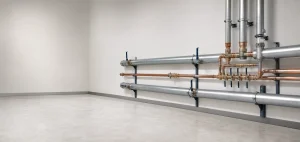
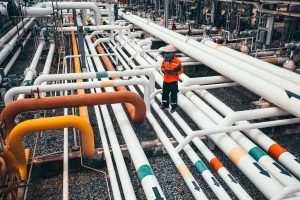
Steel and galvanised steel remain common choices for fire suppression pipework, largely due to their strength and resistance to heat.
Copper may be used in certain applications, particularly where space is limited or corrosion risks are lower. Some modern systems also use specialist plastics, although these are typically restricted to specific environments.
The choice of material is rarely arbitrary. It often reflects the building type, the suppression method, and environmental conditions.
Factors such as temperature fluctuations, moisture levels, and potential chemical exposure all influence what material is likely to perform best over time.
The Importance of Correct Design and Installation
Even high quality materials can fall short if the design is flawed. Pipe diameter, routing, and joint placement all affect how quickly and effectively a system responds.
Poorly sized pipes may restrict flow, while awkward layouts can create weak points or areas prone to damage.
Installation quality matters just as much. Inadequate supports, poorly made joints, or rushed workmanship may not show immediate problems.
Over time, though, these issues can lead to leaks, pressure loss, or outright failure, which is the last thing anyone wants during a fire.
Regulations and Standards in the UK
Fire suppression pipework in the UK must meet strict standards, including relevant British Standards and Building Regulations.
These rules exist to ensure systems perform as intended and provide consistent protection across different types of buildings.
Compliance is not simply a box ticking exercise. Systems that fall short of standards may fail inspections, invalidate insurance, or worse, underperform in an emergency.
Following regulations closely is as much about protecting people and property as it is about meeting legal requirements.
Common Pipework Issues That Can Compromise Fire Safety
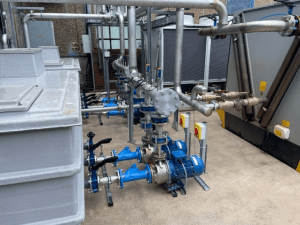
Leaks are an obvious concern, but they are not the only problem. Corrosion inside pipes can reduce internal diameter, limiting flow just when it is needed most.
Blockages caused by debris or poor water quality can have a similar effect.
There are also issues that are less visible. Poor jointing, incorrect supports, or inadequate allowances for movement can weaken the system over time.
These faults often only come to light during testing or after a failure, which suggests regular inspection is essential.
Maintenance and Ongoing Testing
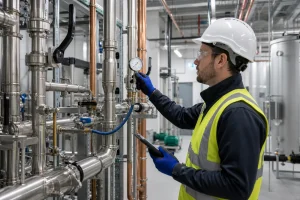
Fire suppression pipework is not a fit and forget system. Regular inspections help identify early signs of wear, corrosion, or damage before they become serious.
Pressure testing is particularly useful for confirming the integrity of the system under operating conditions.
Planned maintenance also supports compliance with regulations and insurance requirements.
Keeping accurate records of inspections and repairs provides reassurance that the system has been looked after properly. It may also make future upgrades or alterations easier to manage.
The Role of Specialist Pipework Contractors
Fire suppression systems bring together multiple disciplines, and pipework is one area where specialist knowledge really counts.
Pipework contractors with experience in fire systems are more likely to understand the standards, pressures, and tolerances involved.
There is also the practical side of working alongside other trades. Coordination is important to avoid clashes with electrical, mechanical, or structural elements.
Involving a specialist early often leads to fewer problems during installation and a more reliable system in the long term.
Conclusion
Pipework may not be the most visible part of a fire suppression system, but its importance is hard to overstate.
From design and material choice through to installation and maintenance, each stage plays a part in how well the system performs.
For building owners and facilities managers, the takeaway is fairly simple.
Treat pipework as a core safety component, not an afterthought. Investing in proper design, skilled installation, and ongoing care is likely to pay off when it matters most.