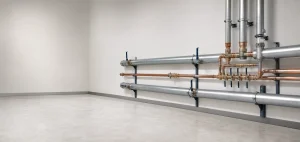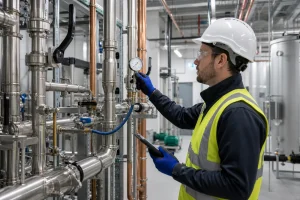
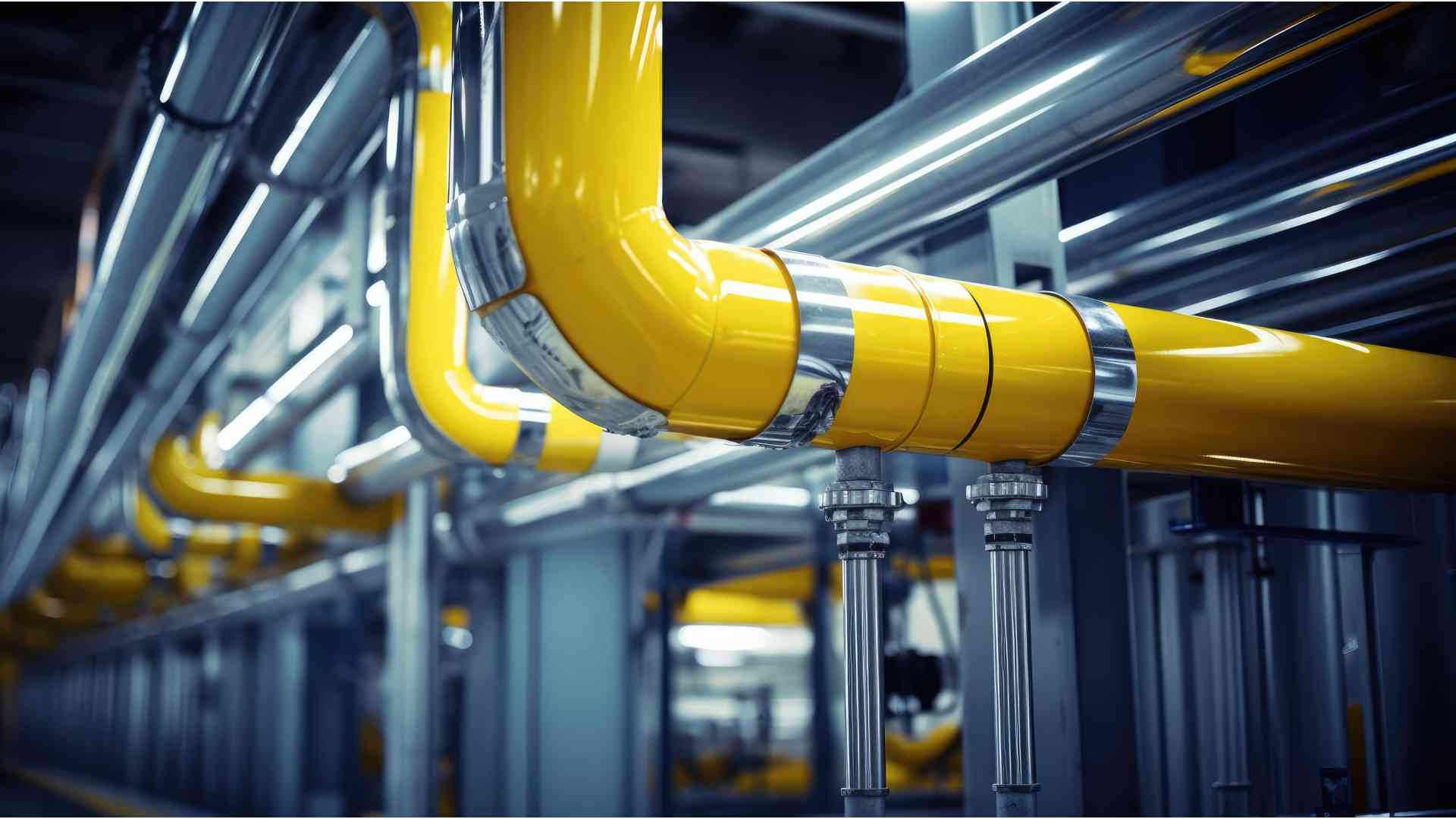
Pipework is at the heart of many industrial operations, facilitating the smooth transportation of materials, fluids, and gases. However, the design of these systems plays a pivotal role in determining overall efficiency.
Well-designed pipework not only ensures the smooth flow of materials but also contributes to the operational longevity of a facility, reducing costs and downtime.
When designed correctly, it enhances productivity by streamlining processes, minimising wastage, and optimising energy use across the entire operation.
In contrast, poor pipework design can lead to a myriad of operational issues. Whether it’s bottlenecks, leaks, or inefficient energy consumption, these challenges can disrupt workflows and cause substantial financial losses.
By understanding the importance of strategic pipework design, industries can make better decisions that improve both the bottom line and overall process reliability.
Proper pipework design is not just about functionality—it is essential to maintain competitiveness in today’s fast-paced industrial landscape.
Optimising Flow and Reducing Energy Loss
One of the key benefits of effective pipework design is its ability to optimise flow. Properly sized pipes, the right materials, and well-planned layouts ensure that fluids, gases, or materials move efficiently from one point to another.
This flow efficiency reduces the need for excessive pumping or pressure, ultimately saving energy and lowering operational costs.
When flow is optimised, industrial processes run more smoothly, and the energy required to maintain the system is minimised.
Energy loss due to friction or turbulence is also significantly reduced with the right design.
By ensuring that the pipework follows the shortest, most direct route and incorporates the appropriate fittings, the energy used to pump materials through the system is conserved.
Not only does this contribute to lowering energy bills, but it also helps industries meet sustainability goals by reducing their overall carbon footprint. In industries where energy consumption is a major expense, the importance of efficient pipework design cannot be overstated.
Minimising Downtime and Maintenance Costs
A well-designed pipework system plays a crucial role in reducing both downtime and maintenance costs. When pipes are properly laid out and constructed, they are less likely to encounter issues such as blockages, leaks, or corrosion.
This minimises the need for emergency repairs and costly downtime, allowing industrial operations to continue without interruption.
Furthermore, pipework that is built to withstand the demands of the system is less likely to require frequent maintenance or replacement, leading to significant long-term savings.
In industries that rely heavily on continuous production, minimising downtime is critical. Every hour of halted operation can translate into substantial financial losses.
A robust pipework system, designed with both durability and ease of maintenance in mind, ensures that the system remains operational for as long as possible. This results in fewer disruptions, less reliance on costly repairs, and an overall reduction in the cost of maintaining the infrastructure.
Safety and Compliance
Beyond operational efficiency, pipework design also plays a crucial role in ensuring safety and regulatory compliance. Many industries, such as chemical manufacturing, oil and gas, and pharmaceuticals, deal with hazardous materials.
Therefore, pipework must be designed to contain these substances safely and prevent leaks, spills, or accidents. A well-designed system incorporates safety features, such as proper insulation, pressure relief valves, and secure joints, which help mitigate risks and ensure a safe working environment for employees.
In addition to safety, compliance with industry regulations is essential for avoiding costly fines and maintaining operational credibility. Regulatory bodies often have stringent guidelines concerning materials, installation practices, and safety features for pipework systems.
A thoughtfully designed system not only adheres to these regulations but also incorporates industry best practices to ensure that it meets or exceeds the required standards.
This approach helps businesses avoid costly penalties while also demonstrating a commitment to responsible, safe operations.
Maximising Space and Cost Efficiency
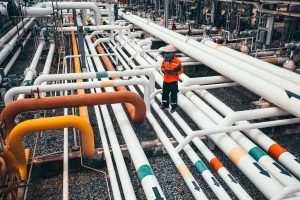
Space is often at a premium in industrial settings, and pipework design plays a key role in maximising the use of available space.
A well-planned system takes into account the layout of the facility, ensuring that pipes are routed in the most efficient manner without unnecessary extensions or obstructions.
This can help free up valuable floor space, allowing for more efficient use of the area for production or storage. In turn, this can lead to reduced operational costs and a more streamlined workspace.
Pipework design also directly impacts material costs. By selecting the right materials and optimising the size of pipes, businesses can reduce wastage and avoid overspending on unnecessary components.
The cost of installation can also be reduced with a well-thought-out plan that requires fewer resources, takes less time to implement, and uses less labour.
Ultimately, a smart approach to pipework design ensures that space and resources are used effectively, making the entire operation more cost-efficient in the long run.
Conclusion
In conclusion, the design of pipework systems is a critical factor in ensuring industrial efficiency. A well-designed system optimises the flow of materials, reduces energy consumption, and minimises maintenance costs, which in turn improves the bottom line.
It also plays a vital role in ensuring safety, compliance, and space efficiency, all of which are essential for smooth and cost-effective operations.
Given the significant impact that pipework design has on both operational performance and financial outcomes, it is clear that investing in thoughtful, professional design is a wise decision for any industrial facility.
In today’s competitive market, businesses that prioritise efficient pipework design are better positioned to succeed.
By focusing on the optimisation of resources, reducing costs, and maintaining high standards of safety and compliance, industries can ensure that their pipework systems contribute to long-term success.